
Athletic style is rarely just about performance anymore; it has become a wearable archive of where we come from, what we admire, and which communities shape us. Colors, crests, cuts, and even fabric choices can carry stories about migration, local pride, politics, music scenes, and family traditions. When people pull on a sporty layer for an ordinary day, they often carry fragments of a bigger narrative, one that links personal identity to shared cultural memory.
Streetwear as a Living Timeline
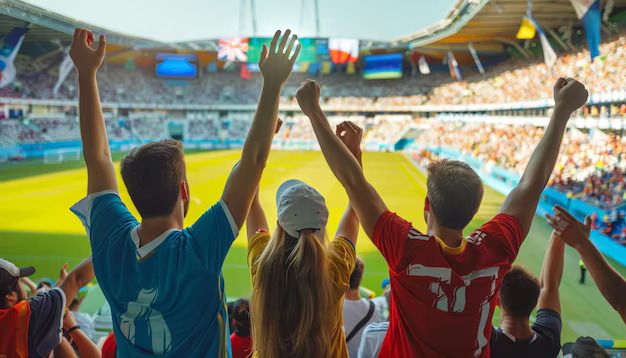
The easiest way to see culture at work in sports style is to look at how everyday outfits borrow from the visual language of competition. A jacket silhouette might echo a decade of training culture; a stripe placement can signal an era; a specific collar shape can nod to a city’s favorite club. In many wardrobes, World Cup soccer jerseys show up as conversation starters rather than strictly match-day items, acting like souvenirs of collective moments, watch parties, family gatherings, and late-night celebrations that turn strangers into temporary neighbors.
The Badge, the Neighborhood, the Myth
Logos and crests operate like shorthand. They can point to a hometown, a parent’s favorite team, or a relationship to a place someone has never lived but feels connected to through community. The same symbol can mean “I’m from here,” “I learned the game here,” or “I found my people here,” depending on who wears it and why. Athletic style becomes cultural storytelling when the wearer treats a badge not as branding but as a marker of belonging, memory, and aspiration.

How Shirts Became Cultural Documents
The story of design changes in the sport isn’t only aesthetic; it reflects technology, sponsorship economics, broadcast culture, and shifting tastes about what looks “modern.” The arc of football shirt evolution tracks everything from heavier materials and simpler layouts to lighter fabrications, bolder graphics, and experimental patterns that mirror wider design movements. Each era leaves clues: the rise of prominent sponsors signals commercialization; the change in fit can echo broader fashion trends; the palette choices often align with national symbolism or local folklore.
Songs, Cinema, and the Rise of Athletic Icons
Beyond the pitch, athletes and teams become characters in pop culture, and clothing becomes part of that script. A scarf might recall a stadium chant that went global; a track jacket might evoke a film scene that defined a generation; a specific color pairing can be tied to a music era and the people who wore it first. When sports style enters videos, concerts, and street photography, it stops being “sportswear” and becomes visual language, an easy way to signal taste, values, and cultural alignment without saying a word.
Ritual Dressing: Match Days, Weddings, and Mondays
In many communities, athletic clothing becomes part of ritual, the same way formalwear does. Some people reserve certain pieces for big games; others wear them during life milestones, travels, or family events because the garment “belongs” to a memory. The meaning can be intimate, something worn during a hard year, a move, a first job, or a reunion. The result is that athletic style can function like heirloom behavior: not necessarily passed down as an object, but repeated as a tradition.
Choosing Pieces That Carry the Right Story
Because these items can signal identity, people often want a way to choose thoughtfully what to buy, how to verify quality, and how to style pieces without losing their meaning. A practical sports gear guide mindset helps: decide whether you want heritage value, daily versatility, or performance utility; then pay attention to fabric weight, stitching, and fit so the item actually earns its place in rotation. Thoughtful selection keeps the clothing from becoming disposable trend-chasing and makes it easier to wear the story with intention.
When Trends Travel Faster Than Traditions
Online culture makes athletic aesthetics move at high speed, and that can be both exciting and flattening. A look born in one community can become a global microtrend in weeks, detached from its original context. Still, trends can also introduce people to histories they might not otherwise encounter, especially when wearers learn the story behind a colorway or pattern before adopting it. The appeal of trending football jerseys often comes from this tension: they can be fresh fashion objects, yet they also carry references that reward deeper curiosity.
Styling Athletic Pieces Without Erasing Their Meaning
The key to honoring the story while keeping an outfit modern is balance. Pair one expressive athletic item with calmer basics so the reference reads clearly, not as a costume. Let color do the work repeat one tone from the piece elsewhere in the outfit rather than stacking multiple loud signals at once. And consider context: the same garment can feel respectful, playful, or performative depending on where it’s worn and how it’s presented.
Conclusion
Cultural stories told through athletic style choices are not fixed; they shift with each wearer, each city, and each era. The same garment can represent joy, resilience, nostalgia, protest, or simple admiration for craft. When people dress with awareness, athletic style becomes more than a look: it becomes a portable narrative, stitched together from personal experience and collective memory.